Blog Details
Detailed view of the selected blog post.

Detailed view of the selected blog post.
SSB preparation does not begin at an academy. It begins with your daily routine. The Services Selection Board evaluates behavioural consistency shaped by habits. Using psychological principles like the cue–routine–reward loop, this blog explains how initiative, responsibility, and emotional stability are built daily. Strong habits create officer-like behaviour long before you enter the SSB board.
Time: 08 min
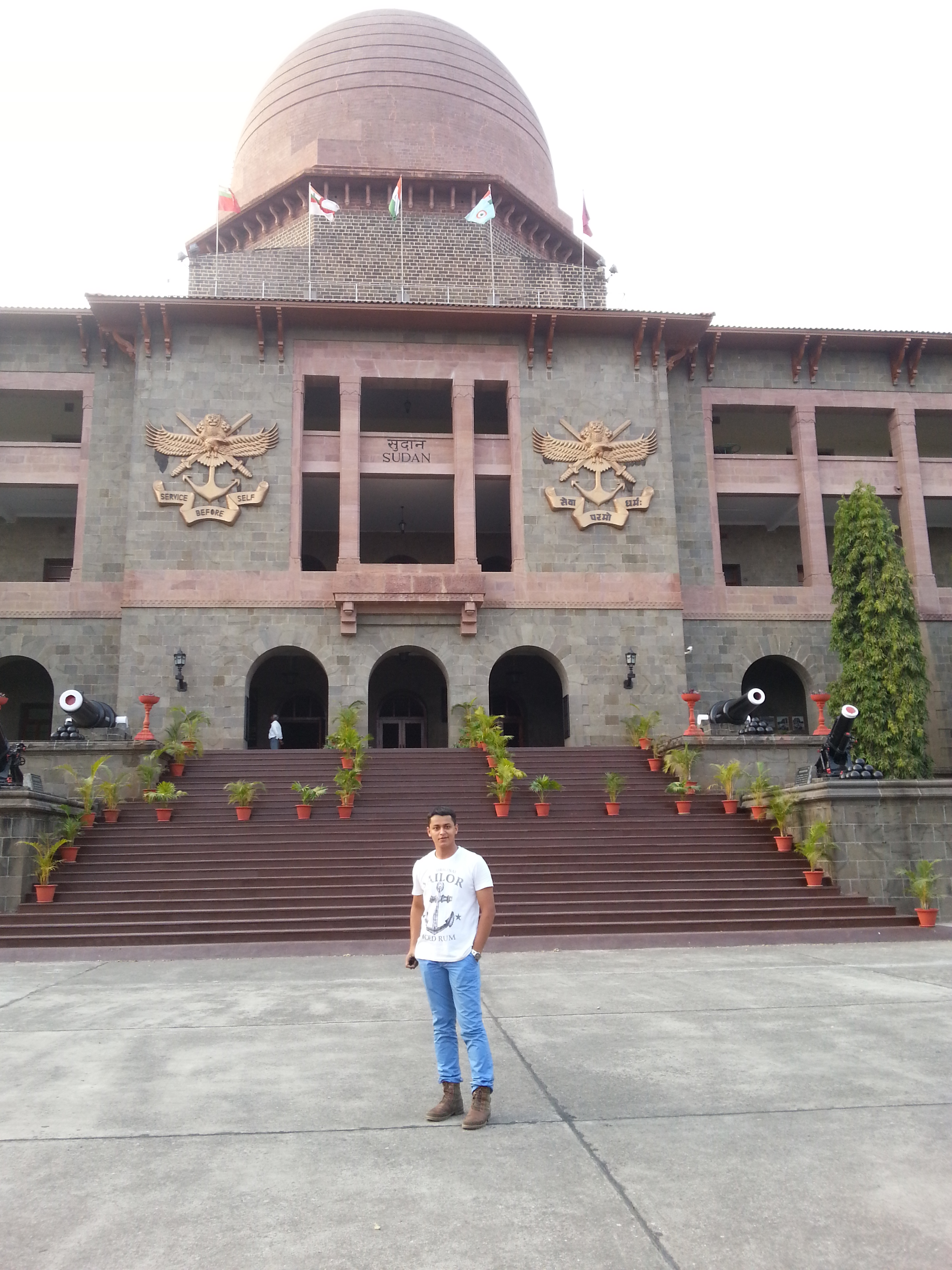
Founder of SSB with ISV on a routine visit to National Defence Academy, Pune.
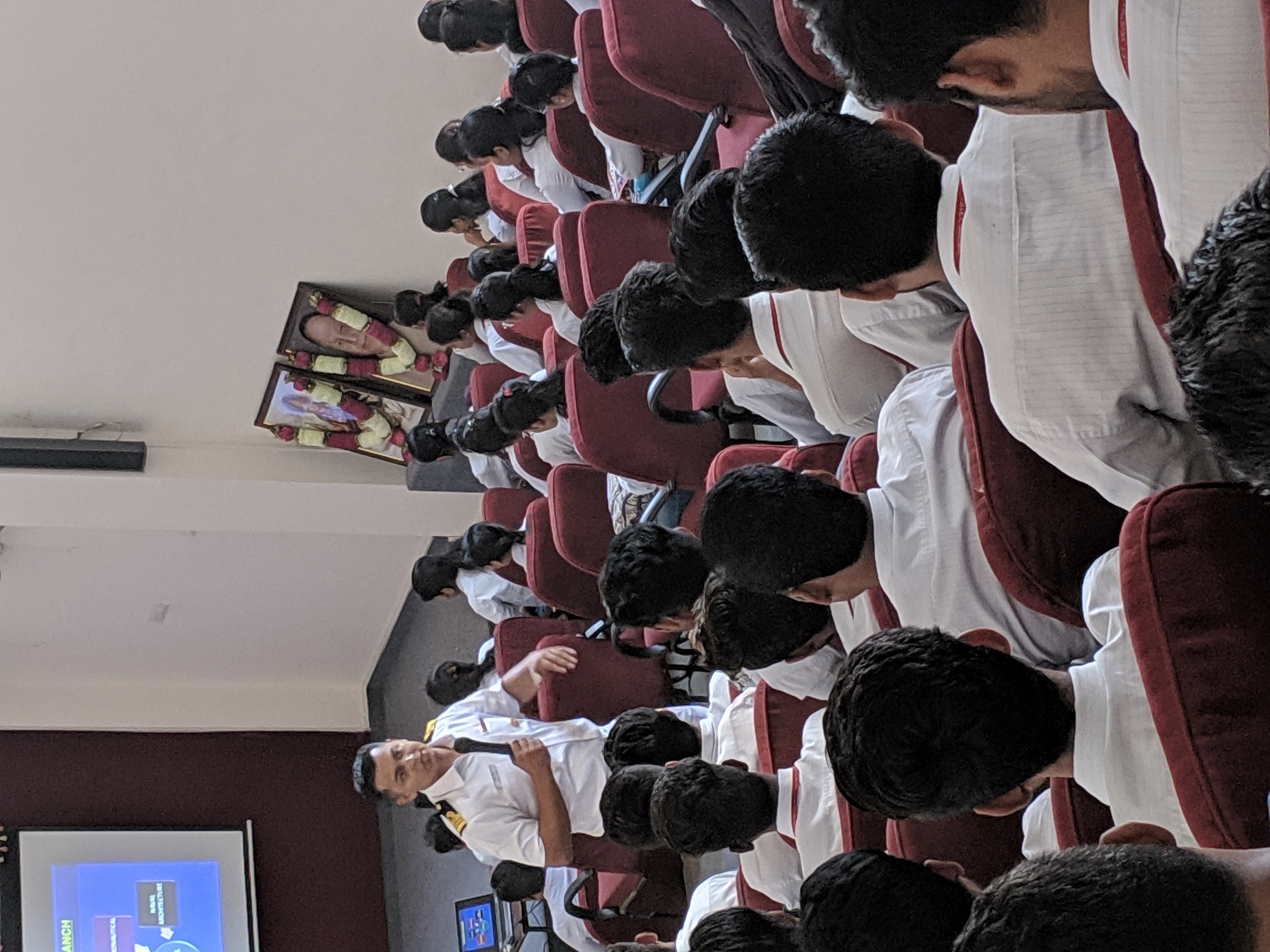
Founder of SSB with ISV taking a lecture at Jawaharlal Darda Engineering College, Yavatmal
Most aspirants think SSB coaching begins when they join a SSB training academy, attend a psychology session, or step onto a GTO ground.
It does not.
Coaching for the Services Selection Board (SSB) begins the moment you wake up — and how you structure the first hour of your day.
This may sound simplistic, but it is deeply psychological.
The SSB interview process — whether in psychology tests, GTO tasks, or personal interviews — evaluates one core dimension: behavioural consistency. And behavioural consistency is nothing but the accumulated outcome of daily habits.
The Services Selection Board does not test knowledge alone. It tests Officer Like Qualities (OLQs) such as:
These qualities are not activated during SSB. They are revealed.
And what reveals behaviour under stress? Habit.
When you are placed in Group Discussion (GD), Group Planning Exercise (GPE), Progressive Group Task (PGT), or the SSB personal interview, you do not invent a new personality. You default to your habitual response system. That system is built daily.
From a psychological standpoint, habits are formed through a process known as the cue–routine–reward loop, popularised in behavioural science research.
Every habit follows three stages:
For example:
Cue: Alarm rings.
Routine: You hit snooze.
Reward: Temporary comfort.
Over time, this loop becomes automatic. The brain conserves energy by repeating established behavioural pathways.
This process is governed by the basal ganglia, the part of the brain responsible for automatic behaviour patterns. Once a behaviour becomes habitual, it requires significantly less conscious effort.
Now consider SSB.
When you are interrupted in a Group Discussion, what is your automatic reaction?
When your idea fails in PGT, what is your immediate emotional shift?
When the Interviewing Officer challenges your decision, what is your reflex?
These are not calculated responses. They are habit-driven responses.
Aspirants often say: “I know how to behave in SSB.”
The real question is: “Is that how you behave daily?”
Because under stress, human beings do not rise to the level of their preparation. They fall to the level of their conditioning.
If your daily routine lacks structure, discipline, emotional regulation, and reflection, those deficiencies surface at SSB — regardless of coaching.
Consider how habits influence key OLQs evaluated in SSB:
If you procrastinate daily tasks, delay decisions, and avoid uncomfortable actions, your brain reinforces avoidance loops. In GD or GPE, hesitation will appear naturally.
Initiative is a trained habit of action.
If you consistently meet commitments in daily life, you strengthen neural pathways of accountability. In SSB interview questions about leadership or failures, your responses become authentic and stable.
Responsibility cannot be memorised. It is rehearsed daily.
Habits like:
Directly regulate cortisol and stress response systems.
A regulated nervous system produces calmer responses in Command Task.
If your daily life avoids small decisions, your cognitive muscles weaken. If you routinely plan your day, evaluate options, and accept outcomes, decision-making sharpens.
SSB observes decisiveness — not dramatic, but reasoned.
That reasoned behaviour begins in routine.
Psychological research shows that habits are easier to build when attached to existing routines — a method known as habit stacking.
For example:
After brushing teeth → Read defence news and editorial columns for 20 minutes.
After breakfast → Write one situation-reaction scenario.
After dinner → Reflect on one leadership decision taken that day.
Small, repeated behaviours create identity reinforcement.
Over time, you stop “preparing for SSB.”
You start living like an officer.
Modern behavioural psychology emphasises that sustainable change happens when habits align with identity.
Instead of asking: “How do I crack SSB?”
Ask: “What would a future officer’s daily routine look like?”
Officers:
When daily routine reflects this identity, SSB performance becomes a natural extension.
Real SSB coaching is not confined to lecture halls or GTO grounds.
It is:
SSB assessors are trained to detect behavioural patterns. Patterns are built from repetition. Repetition is habit. Habit is daily routine.
Coaching for the Services Selection Board does not begin with a GTO obstacle or psychology worksheet.
It begins when:
Daily routine is not separate from SSB preparation. It is SSB preparation.
If your habits are aligned with Officer Like Behaviour, the board does not feel like a performance stage.
It feels like home.
Apply KISS rule - Keep It Simple Stupid everywhere in your life.
— Lt. Cdr. Nikhil Kumar Chandrakala (Retd.)