
Blog Details
Detailed view of the selected blog post.

Detailed view of the selected blog post.
This blog outlines five essential principles to crack the SSB interview, focusing on behavioural consistency, clarity of thought, ownership, emotional stability, and authenticity. It explains how the Services Selection Board evaluates Officer Like Qualities across psychology tests, GTO tasks, and personal interviews.
Time: 08 min
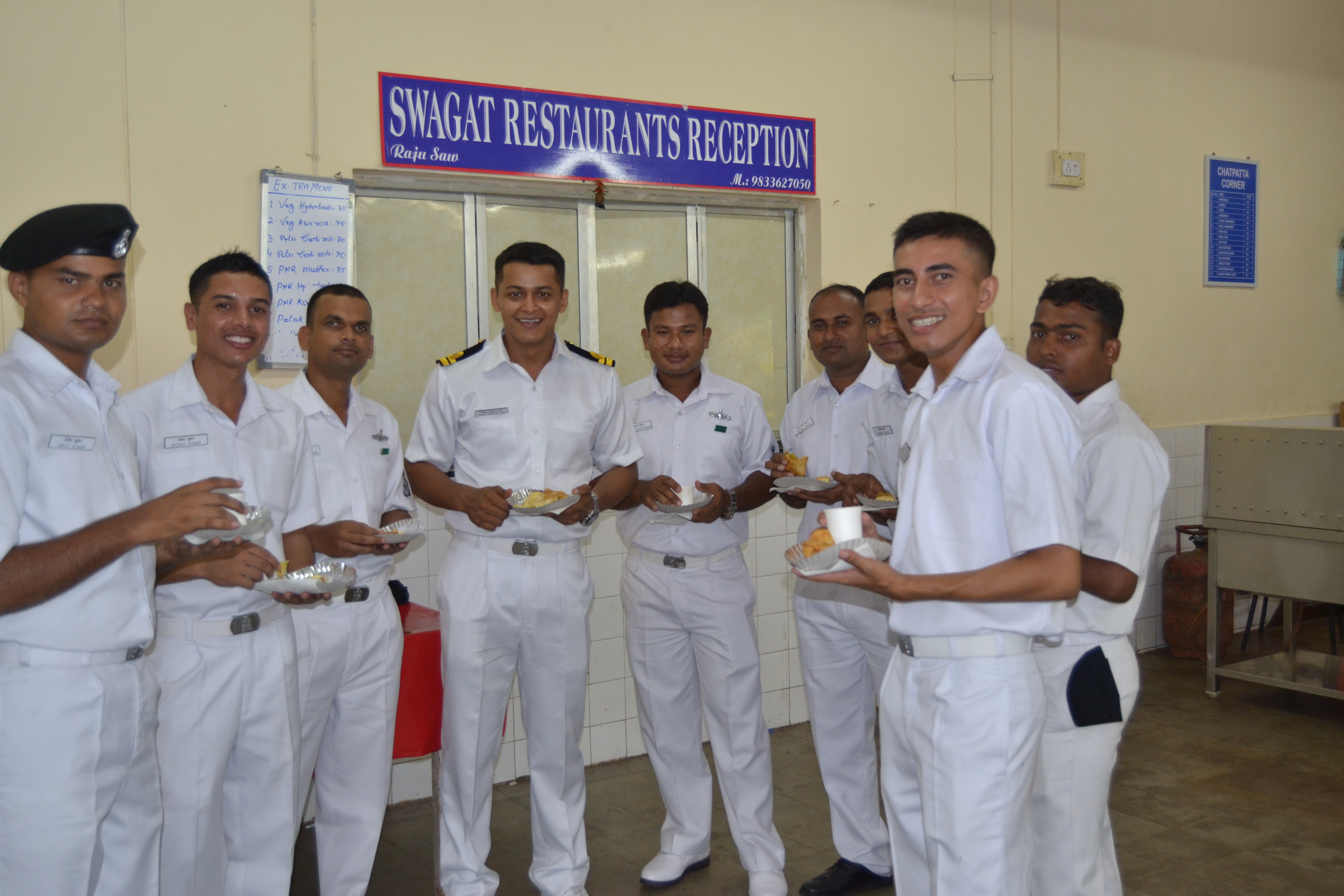
Officer and Men
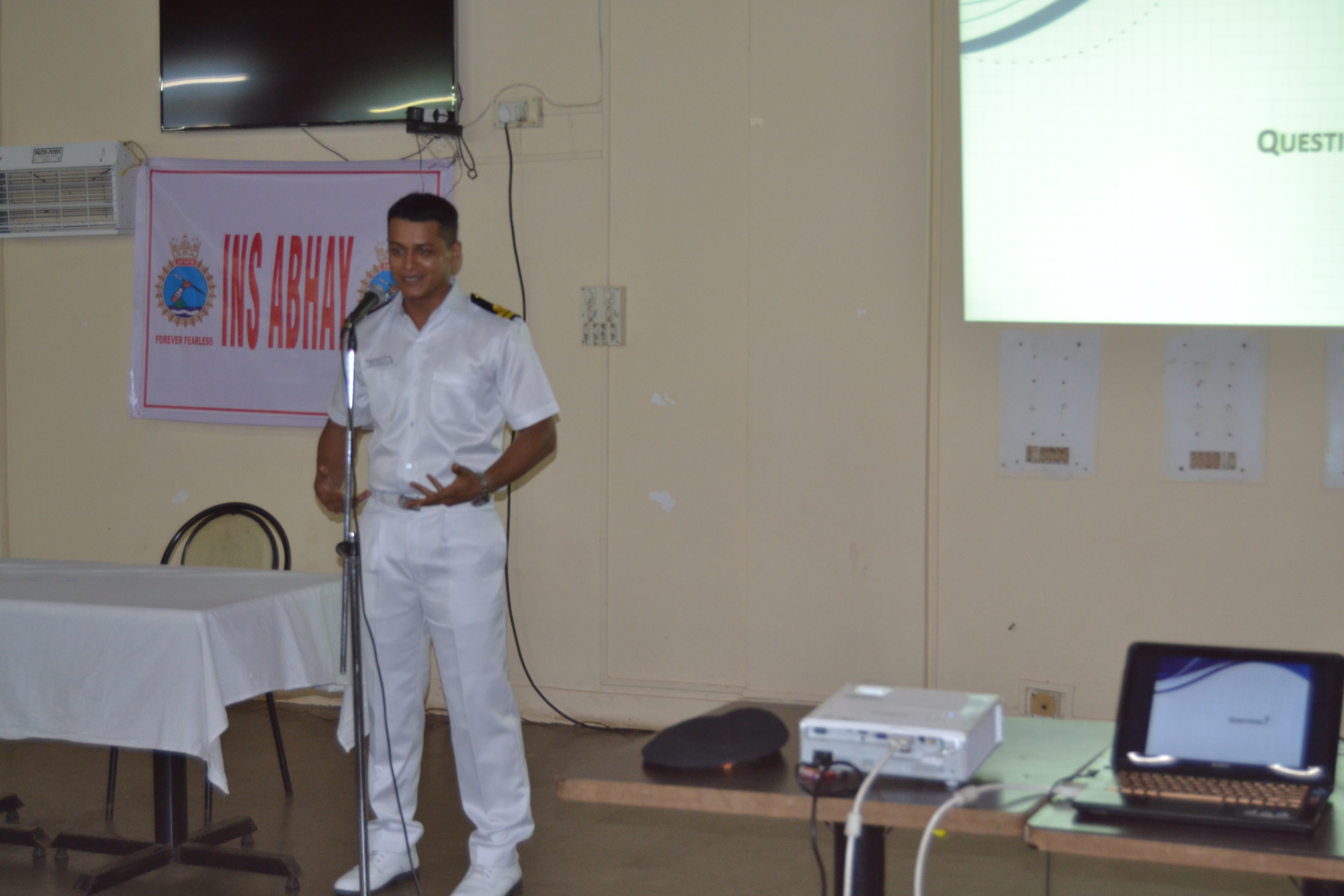
Every aspirant searching online types some version of the same query: “How to crack SSB interview?”
The answers available usually list tips, tricks, and model responses. But the Services Selection Board (SSB) interview is not cracked by tricks. It is cleared by behavioural consistency.
The SSB interview process comprises of psychology tests, GTO tasks, personal interview, and conference and evaluates shades of Officer Like Qualities (OLQs) across situations. You are not assessed for isolated brilliance. You are assessed for reliability.
If you truly want to crack the SSB interview, here are five non-negotiable principles to keep in mind.
The biggest mistake candidates make is trying to “perform well” in individual tasks.
The SSB does not evaluate one good answer in the personal interview. It does not reward one strong performance in Group Discussion (GD). It does not recommend based on a single impressive Command Task.
SSB works on triangulation. The Psychologist, GTO, and Interviewing Officer independently observe your behaviour. If your personality appears different in psychology tests, GTO tasks, and personal interview, inconsistency is noted.
For example:
To crack the SSB interview, focus on being stable—not spectacular.
Many aspirants worry about spoken English, vocabulary, or communication style. The SSB interview does not test English fluency. It tests clarity of thought.
The Interviewing Officer is not evaluating accent. He is evaluating:
A simple answer with clear reasoning is always stronger than a complex answer delivered confidently but without structure. Before answering, think. Organise your thoughts. Then respond. Clarity signals mental discipline. Rambling signals confusion.
Having said this, its imperative to mention that one must possess gramatically correct spoken and written english.
One of the strongest behavioural indicators in the SSB personal interview is ownership. When asked about failures, conflicts, or mistakes:
The Armed Forces function on accountability. Officers are expected to take responsibility for outcomes—even when conditions are imperfect. Candidates who justify excessively or shift blame signal immaturity.
Ownership builds trust. Justification erodes it.
If you want to crack SSB interview, practice saying:
“I could have handled that better.”
That sentence reflects growth mindset and maturity.
The SSB interview is designed to probe. The Interviewing Officer may:
This is not confrontation. It is behavioural testing.
The question being evaluated is: “How does this candidate respond under psychological pressure?”
If your tone changes, if you become defensive, if your body language tightens—these are data points.
Emotional stability does not mean emotional suppression. It means:
A future officer must remain composed when decisions affect others. SSB is checking that composure.
SSB actually assesses whether you exhibit “Coolness in Action and Calmness in Crisis."
Perhaps the most damaging preparation strategy is memorising model answers. Prepared responses collapse under probing.
Interviewing Officers use layered questioning:
If your answers are rehearsed, they will eventually contradict your psychology tests or GTO behaviour.
Instead of memorising answers, understand your life.
Know:
Self-awareness cannot be faked for five days. It must exist before you enter the board.
The SSB interview is not an event. It is a behavioural audit. The Services Selection Board evaluates:
These are not separate compartments. They are interconnected behavioural patterns.
Candidates who try to optimise each task separately often fail. Candidates who stabilise their behaviour across contexts succeed.
SSB does not select the most impressive candidate. It selects the most reliable one.
Consistency.
Clarity.
Ownership.
Emotional stability.
Authenticity.
Focus on these five. The recommendation will follow.
Apply KISS rule - Keep It Simple Stupid everywhere in your life.
— Lt. Cdr. Nikhil Kumar Chandrakala (Retd.)