
Blog Details
Detailed view of the selected blog post.

Detailed view of the selected blog post.
This blog explains what SSB assessors actually evaluate across psychology, GTO, and interview stages. It breaks common myths and clarifies why behavioural consistency matters more than anything else.
Time: 07 min
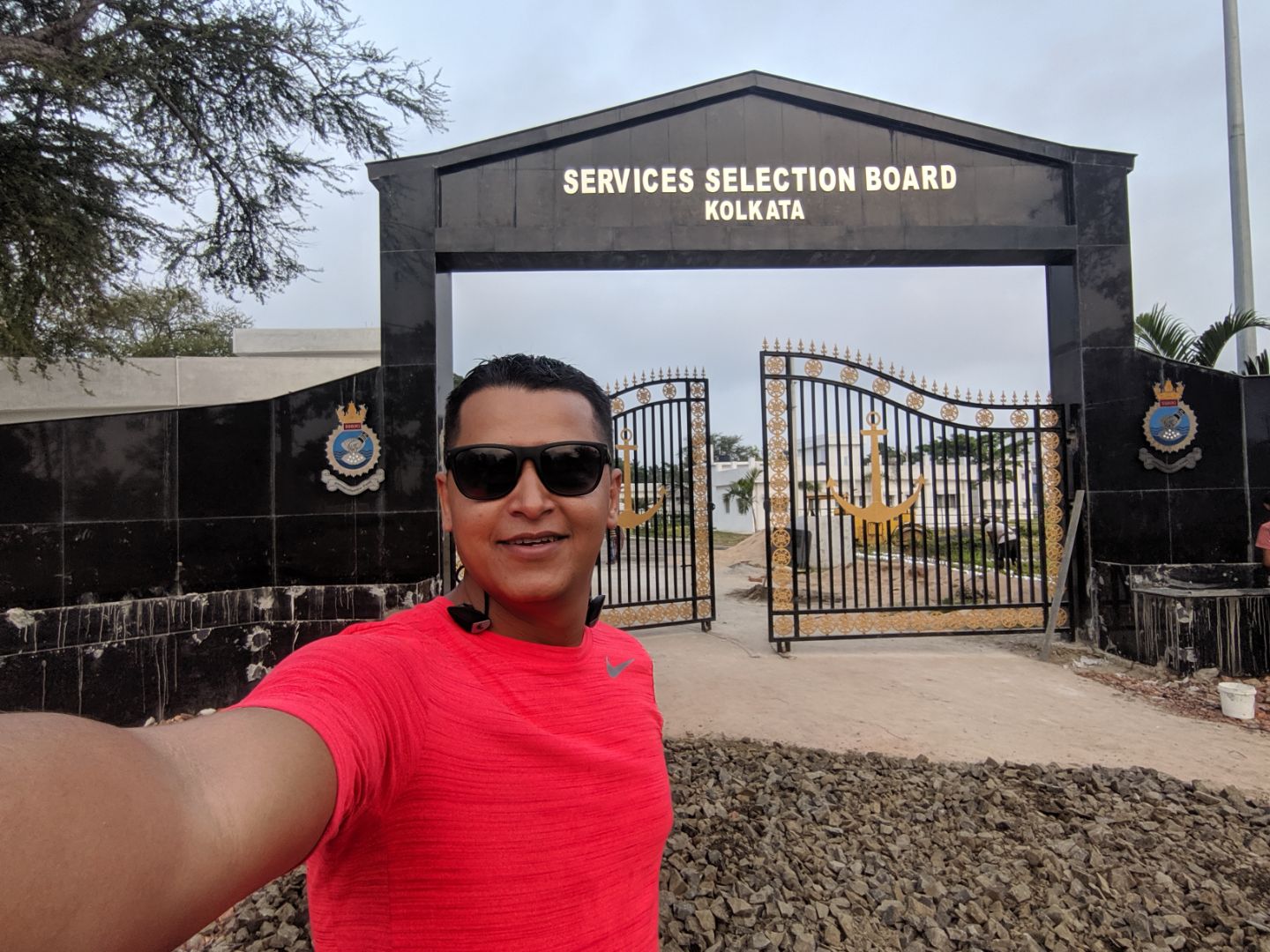
Lt Cdr Nikhil Kumar Chandrakala (Retd.) was the founding team member of SSB (Kolkata). The founding team of any new unit in the defence forces is called as "Commissioning Crew"."
Most aspirants approach the SSB interview with a single question in mind: “How do I impress the assessor?”
This mindset itself is the first misunderstanding.
The SSB interview is not designed to reward impressive answers, polished English, or visible confidence. It is designed to test behavioural reliability—whether a candidate can be trusted to act consistently, responsibly, and sensibly across changing situations.
Contrary to popular belief, the SSB interview does not test:
Candidates with average academics, modest backgrounds, and simple life stories get recommended by every board. The common factor among them is not brilliance, but behavioural consistency.
The SSB interview tests whether the candidate displays shades of Officer Like Qualities (OLQs) pertinent to “Minimum Acceptable Level of Candidate” in a stable, repeatable manner. These include:
The interview is only one data point. Your responses are mentally cross-checked with:
This is why assessors often ask follow-up questions that appear repetitive or probing. They are not testing memory. They are testing alignment.
SSB works on a triangulation model. Three assessors—Psychologist, GTO, and Interviewing Officer—observe the same traits through different tools.
If your psychology responses show calm decision-making, but your interview answers show defensiveness, inconsistency emerges. If you speak about teamwork in the interview but dominate GTO tasks, credibility collapses.
No single answer rejects you. Pattern mismatch does.
Why prepared snswers fail?
Prepared answers fail because real life cannot be memorised. Interviewing Officers are trained to dismantle surface-level responses using depth probing:
Candidates who understand their life can respond flexibly. Candidates who memorise answers break under probing. Self awarenes is very important to excel at SSB. The factor “insight” is one of the most important factors to decide trainability of a candidate.
Recommended candidates do not try to sound officer-like. They focus on:
They accept limitations calmly. They do not rush answers. They pause, think, and respond with clarity. This behaviour signals maturity.
The SSB interview is testing one question:
“Can this individual be trusted with responsibility when no one is supervising?”
Once aspirants internalise this, preparation changes from performance to self-audit. And that shift alone dramatically improves outcomes.
Karam Wahi Karo Jo Karna Hi Fal Lage, Kyuki Karam Hi Dharam.
— Lt. Cdr. Nikhil Kumar Chandrakala (Retd.)