Blog Details
Detailed view of the selected blog post.

Detailed view of the selected blog post.
This blog explains why SSB preparation for the Army, Navy, and Air Force follows the same principles. It highlights how the Services Selection Board evaluates universal Officer Like Qualities (OLQs), behavioural consistency, and leadership traits—regardless of the service you apply for.
Time: 08 min
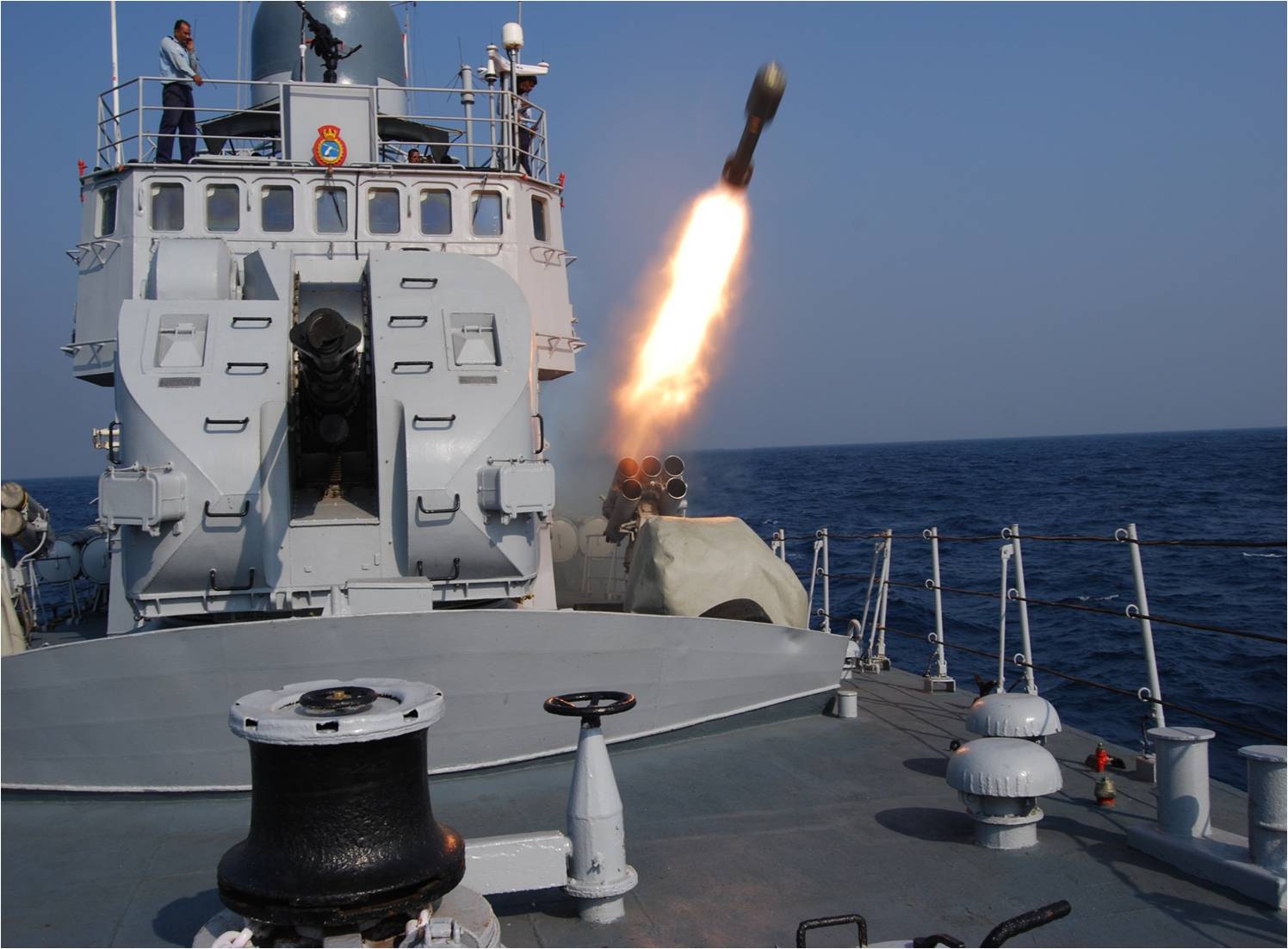
Anti Submarine Rocket firing at sea
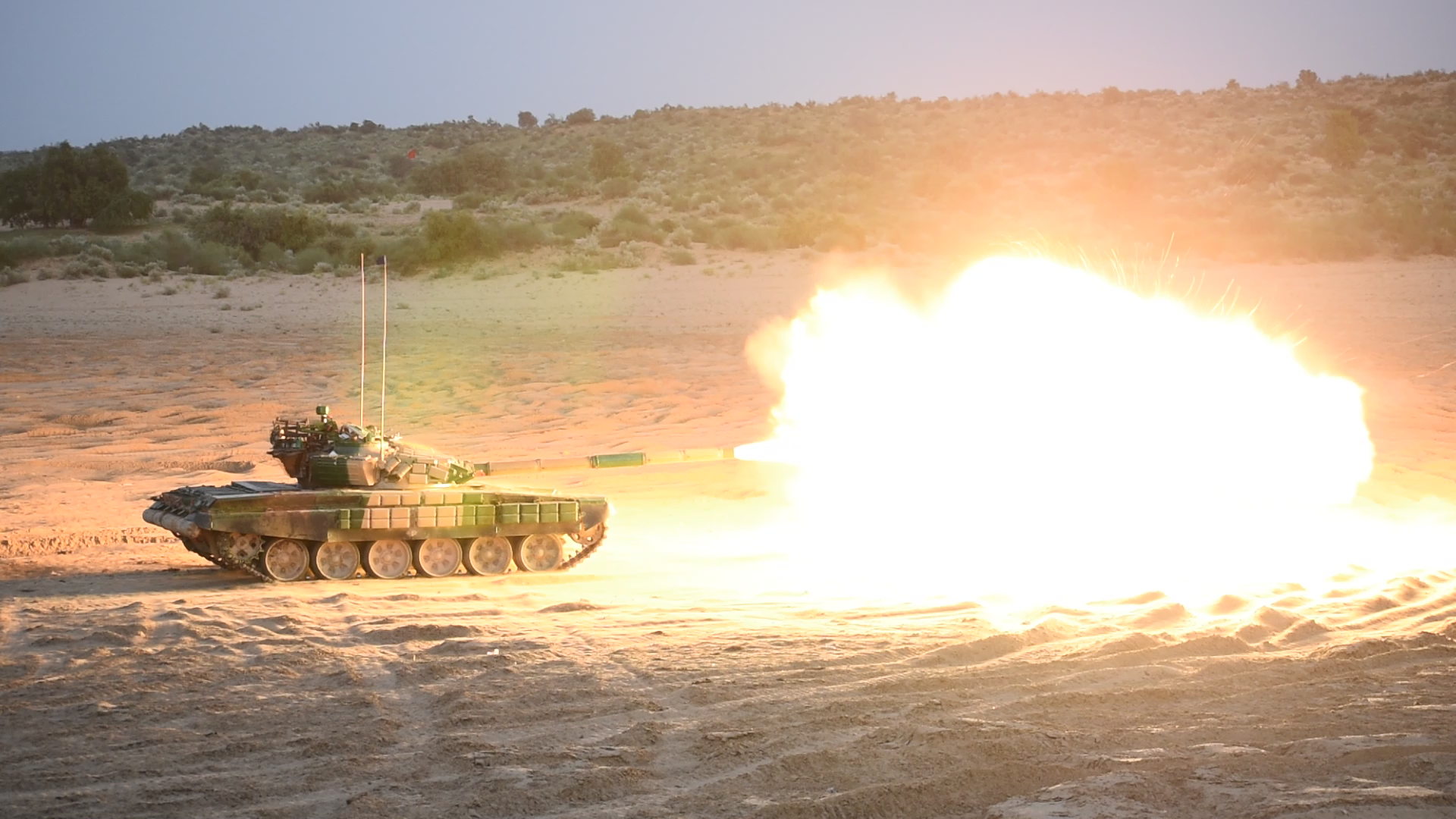
Firing exercises in Desert
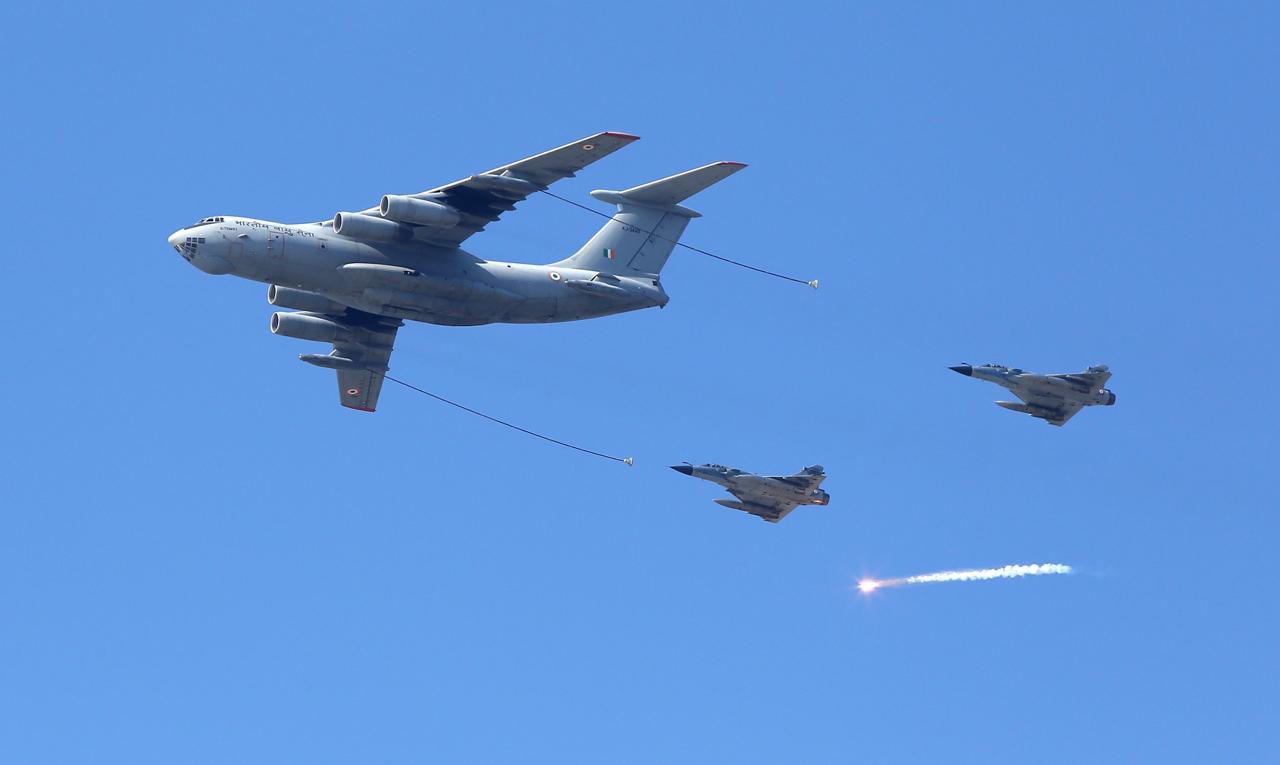
Air to Air refueling
A very common question aspirants ask is: “Is SSB preparation different for Army, Navy and Air Force?”
The short answer is NO.
The longer and more accurate answer is this:
The Services Selection Board (SSB) evaluates the same Officer Like Qualities (OLQs) for all three services—Army, Navy and Air Force. Therefore, the core principles of preparation remain identical.
What changes later is training environment and role specialization. What does not change is the behavioural foundation required to lead in operations and war.
Whether you appear for:
and so on any SSB/ AFSB…..
The assessment process follows the same structure:
The environment may differ slightly depending on the SSB/AFSB board (Dehradun, Mysore, Gandhinagar, Kolkata, Allahabad, Bhopal, Bangalore, etc.), but the assessment logic does not change.
The same three assessors evaluate:
And all of them are looking for the same behavioural attributes.
The Indian Armed Forces function as one integrated defence structure. While operational roles differ between Army infantry, Naval war ships, Air Force squadrons, and so on, leadership fundamentals remain constant.
The OLQs assessed during SSB confirm closely to:
An officer in the Army requires emotional stability under combat pressure.
A Naval officer requires decision-making under operational uncertainty at sea.
An Air Force officer requires clarity and composure under technical and tactical stress.
Different environments, however, same behavioural core.
Aspirants often think:
“For Army, I must show aggression.”
“For Navy, I must show technical knowledge.”
“For Air Force, I must show analytical intelligence.”
This approach is flawed.
SSB does not test any special skills.
It tests whether you possess the foundational leadership behaviour that can later be trained into service-specific excellence. It tries to look for “inquiring attitude”.
Training academies like:
Will teach operational skills.
SSB only selects those who are behaviourally fit to be trained.
Many candidates attempt to modify their personality based on the service they are applying for.
For example:
This artificial modulation creates behavioural inconsistency. The SSB interview process is designed to detect personality distortion. Your psychology tests, GTO tasks, and personal interview answers must align. When you artificially adjust behaviour to match perceived service stereotypes, mismatch appears across assessment tools. And mismatch leads to rejection.
The Group Testing methodology followed in SSB is based on principles of leadership evaluation in group environments. The core idea is simple:
Leadership is best assessed under constrained, collective problem-solving conditions. This principle applies regardless of uniform colour. Whether leading soldiers, sailors, or airmen, an officer must:
These traits are service-neutral.
If you want to crack SSB for Army, Navy, or Air Force, preparation should focus on:
Your actions must align across psychology tests, GTO tasks, and interview.
Stress management matters in all services.
Leadership is influence—not aggression.
Structured reasoning matters more than fluent English.
Trust is non-negotiable across all three forces.
The only differences may appear during:
You should know:
But these are peripheral. They do not override core behavioural assessment.
SSB does not select Army candidates, Navy candidates, or Air Force candidates.
It selects potential officers. The uniform colour is decided later.
If your preparation focuses on:
You are preparing correctly—for all three services simultaneously. Do not fragment your preparation.
Do not create three personalities for three services. Build one strong, stable, reliable leadership identity.
Because leadership principles do not change with terrain, sea, or sky. They remain constant.
Apply KISS rule - Keep It Simple Stupid everywhere in your life.
— Lt. Cdr. Nikhil Kumar Chandrakala (Retd.)